- L-Plate Retiree
- Posts
- 3 Quiet Financial Decisions That Built Multimillionaire Retirements
3 Quiet Financial Decisions That Built Multimillionaire Retirements
Two retirees who reached multimillionaire status share the three decisions that mattered most – and none of them involve a secret investment trick
In partnership with


because retirement doesn’t come with a manual
We are all three decisions away from retiring a multimillionaire! Simple but not easy. The third one especially – not everyone has a long enough runway for time to do the compounding – if you did not start early enough. The next best time to do it is now.
CS

Correction confirmed. Iraq declared force majeure. The week ends in the red – again.
The quick scan: Friday closed the worst week for US markets since the Iran war began, with all three major indices falling sharply as Iraq declared force majeure on all its oilfields and the Pentagon confirmed it was deploying additional Marines to the region. The S&P 500 is now officially in correction territory – down more than 10% from its January high of 7,002.
S&P 500: –1.51% to 6,506.48 – officially in correction territory, breaking through the closely watched 200-day moving average that had held all week
Dow Jones: –0.96% to 45,577.47 – four-month lows, down more than 6% for the month and on pace for its worst month since 2022
NASDAQ: –2.01% to 21,647.61 – six-month lows, with Nvidia falling 3.17% and tech broadly selling off as risk appetite evaporated into the weekend.
What's driving it: Iraq's force majeure declaration on all oilfields was the session's defining moment – adding a new front to the supply disruption that began with Iran and the Strait of Hormuz. WTI crude climbed further, the 10-year Treasury yield jumped to 4.39%, and the VIX spiked 11% to 26.78 as traders demanded more compensation for holding risk into an uncertain weekend. Honeywell fell more than 3% after warning the war would hurt first-quarter results. A week that started with cautious optimism ended with markets in correction.
Bottom line: Correction territory is uncomfortable but not unusual – the S&P 500 has entered correction roughly once every two years historically, and most recoveries come within months. For L-Plate Retirees, this week is a reminder of why asset allocation matters more than market timing. Cash, short-duration bonds, and diversified income streams don't feel exciting when markets are rising. They feel essential when weeks like this one arrive.
You Can't Automate Good Judgement

AI promises speed and efficiency, but it’s leaving many leaders feeling more overwhelmed than ever.
The real problem isn’t technology.
It’s the pressure to do more with less — without losing what makes your leadership effective.
BELAY created the free resource 5 Traits AI Can’t Replace & Why They Matter More Than Ever to help leaders pinpoint where AI can help and where human judgment is still essential.
At BELAY, we help leaders accomplish more by matching them with top-tier, U.S.-based Executive Assistants who bring the discernment, foresight, and relational intelligence that AI can’t replicate.
That way, you can focus on vision. Not systems.

How Two Retirees Built Multimillion-Dollar Wealth

this is not what the two multimillionaire retirees did – live a lavish lifestyle
The scoop: There's a particular kind of retirement story that tends to go viral – the one where someone bought Bitcoin in 2012, or stumbled into a property at exactly the right moment, or happened to work at a company whose stock went to the moon. The rest of us are not going to replicate them.
What's more interesting – and more useful – is the other kind of story. The one where someone retired wealthy not because of a windfall or a lucky break, but because of a handful of decisions made quietly and consistently over decades. No drama. No secret. Just the right habits, compounding.
GOBankingRates spoke to two people who built multimillionaire retirements without a seven-figure salary, an inheritance, or a single clever trick. Joseph Keshi, CEO of Keshman Property Management, and JZ Tay, founder of WFH Alert, identified the three financial decisions that made the difference.
They're worth examining carefully – not because they're complicated, but because they're not. And that's exactly why most people skip them.
Decision one: Choose thrift over lavishness – and mean it.
Keshi's description of his financial philosophy is worth reading in full. He chose what he calls "thrift over lavishness: no lifestyle creep, no personal debt, no speculations, no passivity, no silent partners, no high-priced consultants" – all while keeping his eye on preserving assets for "safety, income, liquidity, control, sleep option, freedom, and stability."
That phrase – sleep option – is the one that stays with you. Not just financial freedom. The ability to sleep at night.
His approach to property reflects the same logic. He grew his portfolio debt-free using rental income, avoided home equity splurging through refinancing, and chose sustainability over status. No luxury cars, no newly built houses as status symbols. Cash flow set the pace, not appreciation hype.
This isn't deprivation – Keshi is clear about that. It's intention. Every dollar not allocated to lifestyle creep became a dollar available for compounding. Over decades, that gap between what you could spend and what you actually spend is where wealth is built.
The lifestyle creep question is particularly pointed for those approaching or in retirement. The temptation – to finally enjoy the income you've worked for, to upgrade the car, to renovate the kitchen – is real and not unreasonable. But each upgrade raises the baseline of what "normal" costs. And a higher baseline in retirement means a larger drawdown from savings to maintain it.
Decision two: Never subcontract your financial awareness.
Tay's contribution is different in character but equally important. His phrase for it: he never "subcontracted his financial awareness."
What this means practically: he stayed across his own numbers. He understood his cash flows. Before any financial outlay, he asked questions about costs, incentives, and the traps embedded in complex arrangements. He did not hand his financial life to advisors and assume they'd sort it out.
This isn't an argument against financial advisors – they serve a genuine purpose. It's an argument against passivity. The retirees who hand over their finances entirely and stop paying attention are the ones who end up surprised – by fees, by tax implications, by the gap between what they assumed they had and what they actually have.
Staying financially hands-on doesn't require expertise. It requires curiosity and the habit of asking questions. What is this costing me? What is driving this return? What happens in the scenario where this doesn't work?
Tay also made a quieter but related decision: he didn't tie his identity to money. He didn't need to signal wealth through spending, which meant he didn't spend to keep up with anyone. The result, in his words: calmer decisions, the ability to wait during downturns, and protection of his attention from "pointlessly extravagant spending out of comparison."
Decision three: Let time, not urgency, do the work.
The third decision flows naturally from the second. By keeping decisions grounded in genuine understanding rather than emotion, Tay had something that most investors talk about but few actually develop: the patience to pause.
When markets turned volatile – as they are right now – he didn't react. When opportunities appeared rushed, he waited. When fear or hype was in the air, he already knew where he stood, so he didn't need to make a decision under pressure.
This is harder than it sounds during weeks like the one we just had. Four straight days of losses. Iraq declaring force majeure on its oilfields. The Fed signalling no rate cuts this year. The instinct to do something – anything – is powerful. But the investors who build multimillion-dollar retirements are almost universally the ones who have learned to sit with discomfort rather than act on it.
Over time, Tay's clarity about his own position compounded into what he calls "a quieter kind of confidence" – rooted not in bravado or denial, but in actually knowing where things stood. It's the kind of person who can watch a week like this one unfold without losing their head.
Actionable takeaways for L-Plate Retirees:
Audit your lifestyle baseline. Write down your current monthly spend. Now ask which parts of it represent genuine joy and which parts are just the accumulated baseline of incremental upgrades. Lifestyle creep is almost invisible while it's happening – a deliberately honest list makes it visible.
Treat debt-free growth as a strategy, not just a virtue. Keshi's model of growing assets without leverage kept each property as a stabilising force rather than a pressure point. If you're approaching retirement with significant debt, the question isn't just "can I service this?" but "what does this do to my sleep option?"
Know your own numbers. Not approximately. Actually. Know your monthly outgoings, your portfolio allocation, your drawdown rate, and what fees you're paying. If you can't answer those questions without looking them up, that's the work to do this week.
Separate financial advice from financial awareness. A good advisor is useful. But handing over your financial life and disengaging is a different thing. The questions you ask your advisor matter as much as the advice they give.
Don't tie your identity to what you own or spend. This one is harder to operationalise but worth sitting with. If your spending is partly about what it signals to others – the car, the suburb, the renovation – that's comparison spending. It costs more than the price tag suggests.
Build the patience to wait before it's tested. The week we just had is exactly the wrong time to start developing the habit of not reacting. The time to build it is now, in a quiet moment, by getting genuinely clear on your position so that volatility feels like information rather than an emergency.
Your Turn:
Of the three decisions – thrift over lavishness, staying financially hands-on, and letting time do the work – which one is the easiest for you to claim, and which one is the honest gap?
Keshi talks about the "sleep option" – the ability to sleep at night as a financial goal in its own right. What would your financial life need to look like to have that?
With markets now in official correction territory, what's the thing you're most tempted to do – and what would Tay's version of "wait" look like for you right now?
👉 Hit reply and share your thoughts – your answers could inspire fellow readers in future issues.
☕ If this newsletter helped you rethink what you're actually saving for, consider supporting L-Plate Retiree on Ko-fi. These Monday deep dives take time, and your support helps me keep digging into the ideas that actually matter – not just the ones that sell.
Resources:
Super Investors’ Club (SIC) – monthly membership subscription that aims to
make learning about investing more hands-on and accessible to individuals on a mission to become financially free. Join here.
* * * * *
The IRIS Stock Sniper Masterclass is a complete, systematic education for the stock market. It’s built on a foundation of proprietary analysis methods that help you filter out noise and spot only the best setups.
Inside, you’ll learn advanced charting techniques, position sizing for risk control , and a rule-based approach to trading that eliminates emotion. This is the definition of structured trading education designed for consistency.
See exactly how this program can transform your approach to stocks. See what’s included:
👉 Explore the Stock Sniper webinar
* * * * *
The Next Level Options (NLOMBA) course is a solid, all-in-one roadmap for mastering options investing. You’ll learn what options really are, how to invest in different market conditions, and how to pick strong companies using Buffett-inspired fundamentals.
Inside, the lessons walk you step-by-step through strategies like BOSS and Strategy X, so you’re not guessing – you’re following a proven structure that helps you invest with clarity and confidence.
What to see everything that’s included?
👉 Check out the Options Workshop
Experts Would Invest $100,000 in This Alternative Now
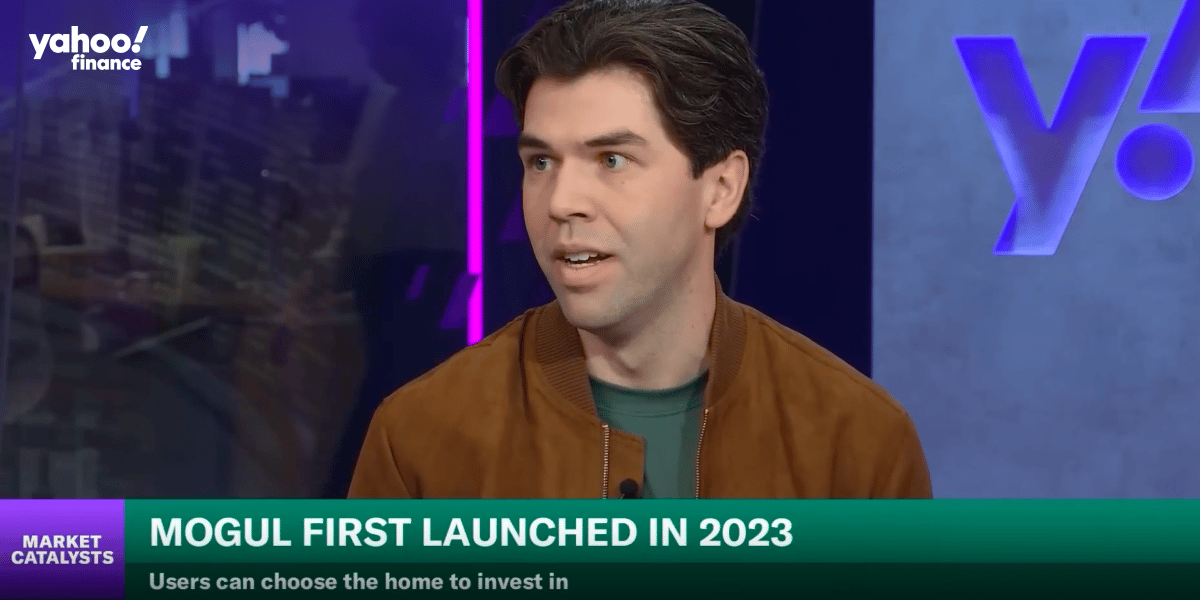
A new report shows 44% of family offices are investing more in residential real estate. Now, you can access these assets with mogul. This platform lets you invest in properties producing +7% yields and 18% IRRs. Plus, they do all the property management for you.
Past performance isn't predictive; illustrative only. Investing risks principal; no securities offer. See important Disclaimers
Ready to take control of your retirement planning? Join our community of L-Plate Retirees who are learning to navigate this next chapter with confidence (and a bit of humour).
Subscribe now and get practical tips delivered to your inbox every weekday – because retirement doesn’t come with a manual, but it should come with a plan.
And if today’s issue gave you a smile or an “aha!” moment, you can always buy us a coffee on Ko-fi ☕ to keep the ideas brewing.
The L-Plate Retiree Team
(Disclaimer: While we love a good laugh, the information in this newsletter is for general informational and entertainment purposes only, and does not constitute financial, health, or any other professional advice. Always consult with a qualified professional before making any decisions about your retirement, finances, or health.)
Reply