- L-Plate Retiree
- Posts
- Are Seed Oils Sabotaging Your Health? The Science Behind the Omega-6 Overload
Are Seed Oils Sabotaging Your Health? The Science Behind the Omega-6 Overload
Why the cooking oils in your pantry might be throwing your body's fat balance dangerously out of whack
In partnership with


because retirement doesn’t come with a manual
Marketers have done a great job of conditioning a generation of us to think that seed oils are good. To be fair, they are bad because of the out-of-whack ratio between Omega-3 and Omega-6.
CS

Markets plunged on Trump's Greenland escalation – worst session since October as geopolitical fears spiked
The quick scan: US stocks cratered Tuesday in the first session back from the Martin Luther King Jr. Day holiday as President Trump threatened tariffs against multiple European nations over Greenland, triggering fears of a new trade war. All three major indices posted their worst single-day losses in months, with selling accelerating through the afternoon as investors fled to safety. The VIX fear gauge spiked above 20 for the first time since November.
S&P 500: -2.06%, closing at 6,796.86 – the benchmark shed 144 points in its worst day since October, pushing the index into negative territory for 2026
Dow Jones: -1.76%, ending at 48,488.59 – industrial stocks lost 871 points as Trump's weekend threats against NATO allies rattled confidence in trade stability
NASDAQ: -2.39%, settling at 22,954.32 – tech stocks bore the brunt of the selloff, with all seven Magnificent Seven names finishing deep in the red.
What's driving it: Trump announced Saturday that eight NATO members would face escalating tariffs starting at 10% on February 1st "until such time as a Deal is reached for the Complete and Total purchase of Greenland." The hawkish rhetoric jolted markets that had been closed Monday for the holiday, creating a gap-down open Tuesday that never recovered. Treasury Secretary Scott Bessent's comment that Trump would name a new Fed chair "maybe as soon as next week" added policy uncertainty. Small caps continued their relative outperformance streak despite the broad carnage, marking the 12th consecutive day the Russell 2000 beat large caps.
Bottom line: This is what geopolitical shocks look like when they catch markets off-guard after a long weekend. For L-Plate Retirees, days like this test whether preparation work is truly complete – the investors who stayed calm had their dry powder ready, while those without financial safety nets felt every point of the decline in their gut.
Reset Your Energy and Feel Lighter With a January Liver Reset
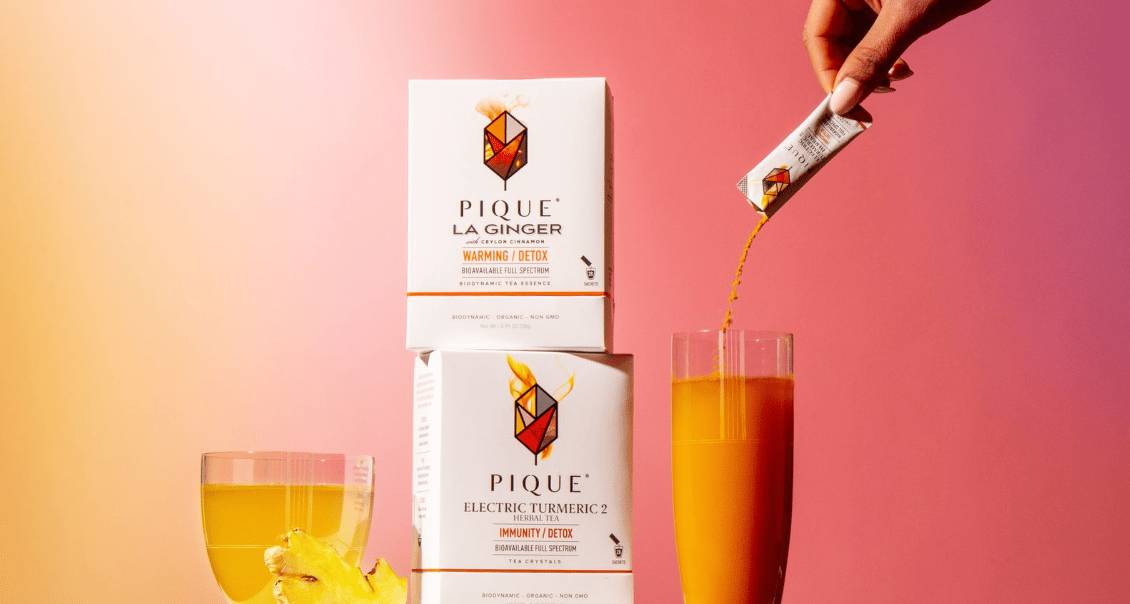
January is the perfect time to reset, rebalance, and support your body after the indulgence of the holidays. If you’re doing Dry January or simply craving a fresh start, focusing on liver health can make a powerful difference—and it’s one of the most overlooked wellness rituals.
That’s why I’ve made Pique’s Liver Detox Protocol part of my January reset. Inspired by over 3,000 years of Traditional Chinese Medicine, this gentle daily ritual supports your body’s natural detoxification processes without harsh cleanses or deprivation.
The protocol includes two simple moments a day: Electric Turmeric in the morning and La Ginger in the evening. In the morning, Electric Turmeric feels warming, grounding, and nourishing—like a calm reset before the day begins. At night, La Ginger is bold and soothing, supporting digestion and overnight renewal.
Within weeks, I noticed steadier energy, less bloating, clearer skin, and an overall lighter feeling. It didn’t feel like a detox—it felt like alignment. Two small rituals, big results.

The Seed Oil Question – When "Vegetable" Doesn't Mean Healthy
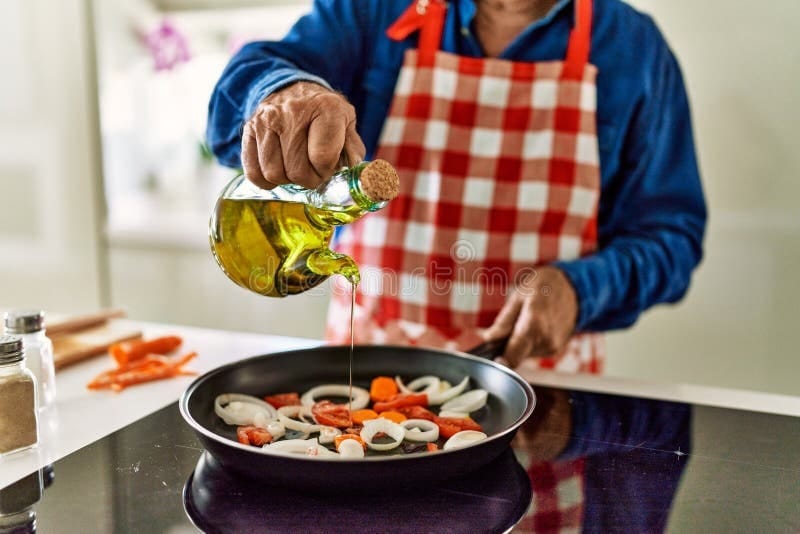
time to switch to olive oil and avocado oil
The scoop: Walk down any supermarket aisle and you'll spot them everywhere – canola, sunflower, soybean, safflower. Vegetable oils that sound wholesome, natural, healthy. They're in your salad dressing, your crackers, your energy bars, your bread. The food industry loves them because they're cheap and shelf-stable. But here's the uncomfortable question nobody wants to ask: what if these oils are quietly undermining your health in ways most people never consider?
The seed oil debate has been bubbling for years, dismissed by some as fringe nutrition anxiety while others point to mounting evidence that something's gone very wrong with fat consumption. Not because fat itself is problematic – bodies need it to rebuild cells, produce hormones, keep brains functioning properly. But because the type of fats being consumed has shifted dramatically, and human bodies haven't evolved to handle the imbalance.
What's actually happening with seed oils, why they've become controversial, and whether they deserve the space they're taking up in kitchens across the country – that's worth examining closely.
The omega-6 explosion hiding in plain sight
Not all fats are created equal, even within the category of "healthy" polyunsaturated fats.
Omega-3 fatty acids – found in salmon, mackerel, sardines, chia seeds, walnuts – support cardiovascular health, normal brain function, healthy mood, and reduce inflammation. The body can't manufacture them, so they must come from food or supplements.
Omega-6 fatty acids – linoleic acid, arachidonic acid, gamma linoleic acid – are also essential in moderate amounts. They appear in nuts, seeds, eggs, and abundantly in seed oils. The operative word: moderate.
For optimal health, the ratio should sit around 3 parts omega-6 to 1 part omega-3. In today's Western diet, that ratio has ballooned to approximately 25:1. Most people are drowning in omega-6 while starving for omega-3.
The culprit? Seed oils, everywhere, in everything.
How the imbalance became standard
The seed oils dominating food processing include canola, sunflower, soybean, safflower, corn, cottonseed, grapeseed, rice bran, and peanut oil. They're cheap to produce in massive quantities. They don't spoil quickly. They're nearly flavourless, so they don't interfere with product taste.
Perfect for manufacturers. Questionable for bodies.
Despite their natural origin, many seed oil crops are genetically modified and heavily processed. Refinement includes multiple steps exposing the product to chemicals, pesticides, and compounds that wouldn't exist in nature. When canola oil undergoes partial hydrogenation – a chemical process altering its structure – it transforms into trans fat, the type research has definitively linked to arterial calcification and reduced cognitive ability.
Even without full hydrogenation, the processing itself raises concerns. Bleaching. Deodorising. Chemical extraction. By the time that oil reaches a bottle, it's travelled far from anything resembling a natural food.
Why the omega imbalance matters
When the omega-6 to omega-3 ratio swings wildly out of balance, several things happen.
Chronic inflammation increases. Omega-6 fatty acids, particularly linoleic acid, contribute to inflammatory pathways when consumed in excess. This isn't the acute inflammation that helps heal injuries – it's the low-grade, persistent kind associated with cardiovascular disease, metabolic dysfunction, and accelerated ageing.
Linoleic acid interferes with the body's ability to use omega-3s effectively. It blocks DHA and EPA – the beneficial omega-3 fatty acids – from entering tissues properly. So even when eating salmon and taking fish oil supplements, a diet high in seed oils undermines those efforts.
Most seed oils arrive in diets through ultra-processed foods, packaged snacks, and fast food – all of which carry their own health baggage beyond just the oils themselves. The oils aren't operating in isolation. They're part of a dietary pattern associated with poor health outcomes.
Research confirms there's no safe consumption level for trans fats. Even small amounts damage arterial health and cognitive function. And while not all seed oils contain trans fats, the processing methods and omega-6 overload create their own set of problems.
The alternatives that actually work better
The alternatives to seed oils aren't exotic or expensive – they're already familiar.
Extra virgin olive oil – the cold-pressed kind, not refined versions – consists mainly of monounsaturated fatty acids with minimal polyunsaturated and saturated fat. Its fatty acid profile and high antioxidant content have been shown to benefit cardiovascular health and lower disease risk. The antioxidants also protect the oil's fatty acids from breaking down into harmful compounds when heated, contrary to myths that olive oil can't handle high temperatures.
Avocado oil carries a similar fatty acid profile to olive oil, offering heart health benefits and anti-inflammatory effects. Like quality olive oil, it's minimally processed when choosing cold-pressed versions.
The key lies in choosing oils as close to their natural state as possible. Cold-pressed means minimal refining and processing – something that still resembles the food it came from, not a factory-created product.
What this means for daily choices
The simplest approach: assume seed oils are hiding in any processed or packaged food unless proven otherwise. Ingredient lists reveal the truth. Canola, soybean, or sunflower oil appears as the first or second ingredient with shocking frequency.
For home cooking, switching to extra virgin olive oil or avocado oil makes sense. Yes, they cost more. They also don't require chemical processing, genetic modification, or industrial refinement.
The broader principle: whole foods that naturally contain healthy fats – nuts, seeds, avocados, fatty fish, eggs from pastured chickens – provide what bodies actually need without the inflammatory baggage of refined seed oils.
Bodies rely on the right balance of fats to function properly. Cell membranes. Hormone production. Brain health. Inflammation control. Every system depends on getting the fat equation right.
The modern food supply has skewed that equation dramatically toward cheap, processed omega-6 oils because they benefit manufacturers, not consumers. There's no obligation to participate in that experiment.
Actionable takeaways for L-Plate Retirees:
Clear seed oils from your pantry and replace them with cold-pressed alternatives: Toss the canola, sunflower, and vegetable oil blends. Stock extra virgin olive oil for everyday cooking and salads, plus avocado oil for higher-heat applications. The cost difference is negligible compared to what you'll save avoiding future health issues.
Read ingredient labels on every packaged food you buy: Seed oils hide under various names – canola, soybean, sunflower, safflower, corn, cottonseed, grapeseed. If any of these appear in the first three ingredients, put it back on the shelf. This single habit will dramatically reduce your omega-6 intake.
Increase omega-3 rich foods to rebalance your ratio: Add fatty fish like salmon, mackerel, or sardines at least twice weekly. Sprinkle chia seeds or ground flaxseed on breakfast. Snack on walnuts. Consider a quality fish oil supplement if you struggle getting enough through food alone.
Cook at home more often to control what goes into your meals: Restaurant food and takeaway are saturated with seed oils because they're cheap and shelf-stable. Even "healthy" restaurants use them. The only way to guarantee you're avoiding them is preparing food yourself with ingredients you choose.
Choose whole food fat sources over extracted oils when possible: Get your fats from avocados, nuts, seeds, olives, and fatty fish rather than relying heavily on any bottled oil. These whole foods come packaged with fibre, protein, vitamins, and minerals that isolated oils lack.
Don't fall for "heart healthy" marketing on seed oil bottles: The fact that an oil is high in polyunsaturated fat doesn't automatically make it beneficial. The omega-6 to omega-3 ratio matters more than the total polyunsaturated fat content. Marketing claims often ignore this crucial distinction.
Your Turn:
When did you last check the ingredient list on your regular salad dressing, crackers, or bread – and what would you find if you looked right now?
How much of your current omega-3 intake comes from whole food sources versus supplements, and could rebalancing that ratio improve your results?
If you swapped seed oils for olive or avocado oil in your kitchen tomorrow, what packaged foods would you need to replace or eliminate entirely?
👉 Hit reply and share your thoughts – your answers could inspire fellow readers in future issues.
If this breakdown of AI health assistants helped you understand what these tools can (and can't) do for your health, consider shouting me a coffee shout on Ko-fi. Your contribution helps us cut through healthcare hype to deliver practical insights that keep you safe, informed, and in control of your wellbeing.
Support Your New Years Resolutions with CBD

Setting a New Years resolution is a lot easier than keeping it. But CBDistillery’s expertly-formulated CBD products make sticking with your resolutions easier. Save 25% on CBD to ease pain after workouts, stress less, sleep better or unwind alcohol-free with code HNY25 and keep your resolutions on track.
The L-Plate Retiree community is just beginning, and we’re figuring this out together–no pretense, no judgment, just honest conversation about navigating this next chapter.
Subscribe now, or share it with a friend, to get weekly insights, practical tips, and the occasional laugh to help you prepare for or thrive in retirement. Unlike other newsletters that assume you already know everything, we keep it simple and human.
And if today’s lifestyle musings brightened your day, you can toss a coffee into our Ko-fi tip jar ☕. Think of it like leaving a tip for your favourite busker – only this busker writes about retirement.
Because retirement doesn’t come with a manual… but now it does come with this newsletter.
The L-Plate Retiree Team
(Disclaimer: While we love a good laugh, the information in this newsletter is for general informational and entertainment purposes only, and does not constitute financial, health, or any other professional advice. Always consult with a qualified professional before making any decisions about your retirement, finances, or health.)
Reply