- L-Plate Retiree
- Posts
- The All-Clear: What Three Weeks of Health Tests Finally Taught Me
The All-Clear: What Three Weeks of Health Tests Finally Taught Me
The blood test raised the stakes before the bowel screening cleared everything. Here's what three weeks of not knowing taught me about 'probably fine'
Sponsored by


because retirement doesn’t come with a manual

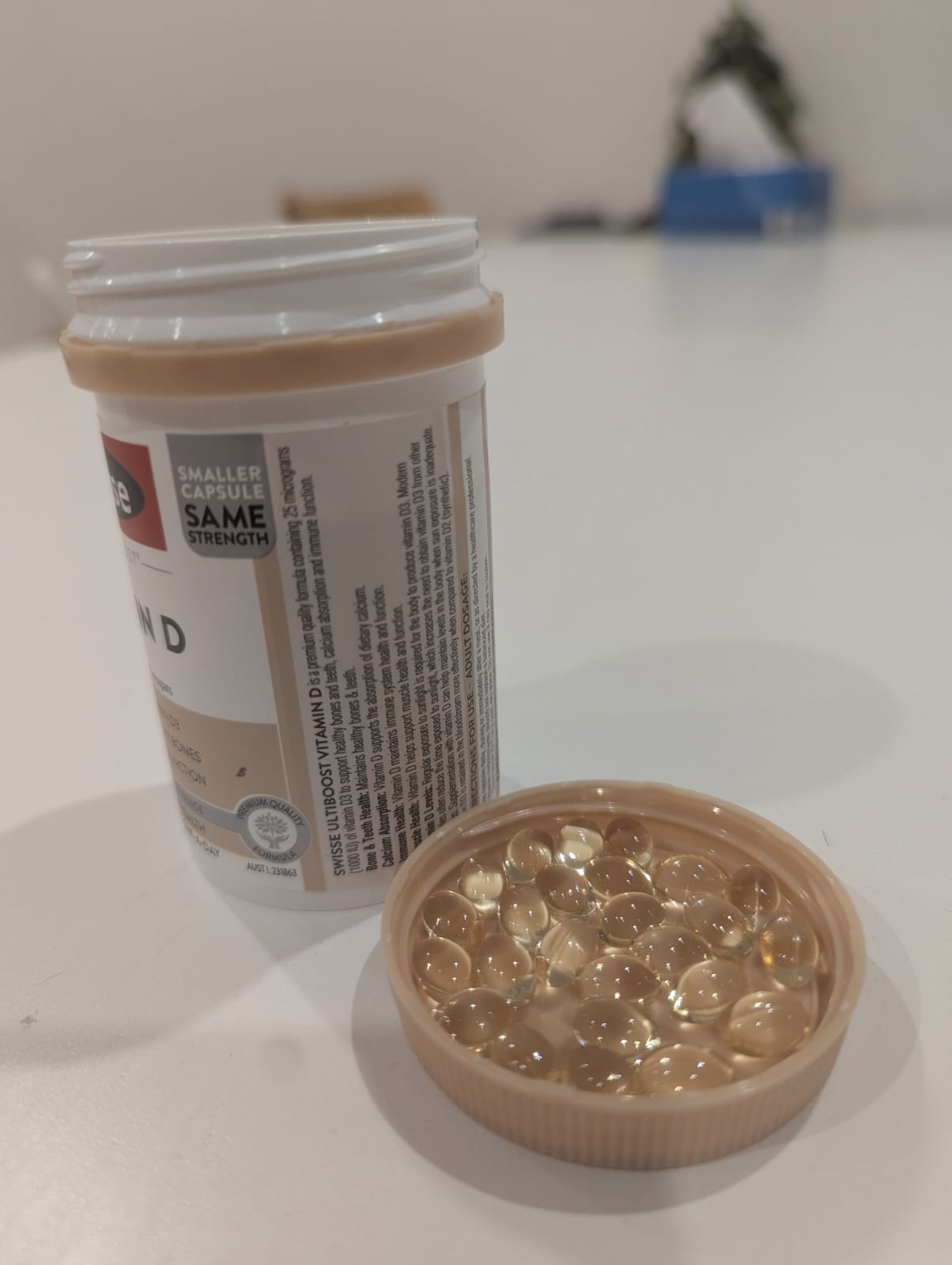
“the essence of the sun”
If you've been following along, you'll know this one has been a while coming.
Three weeks ago, I wrote about the spare fridge, the stage fright, and the considerable indignity of trying to produce two poop samples on a schedule my bowels found entirely unreasonable. Two weeks ago, I wrote about being turned away from blood donation for the first time in over thirty attempts – 1–4g/L below the haemoglobin threshold – and the Wife's refusal to accept "probably nothing" as a medical conclusion.
Both musings ended without resolution. I left you in the same limbo I was in.
This week, the story closes.
After the GP visit, the blood test results came back first. The verdict: iron levels – fine. Haemoglobin – still low. Which sounds like partial good news, and in one sense it was. But here's the part that sharpened things considerably.
The GP explained that low haemoglobin in men is unusual. Unlike women, who lose blood monthly and are therefore more susceptible to low levels, men don't have an obvious explanation for it. When it happens, it can point to blood loss somewhere – and if there are no external symptoms, the most common site of internal blood loss is the bowel.
The GP's advice: wait for the bowel cancer screening result. That would tell us whether there was a connection.
So there I was. Blood test done. Iron fine. Haemoglobin still low. And now sitting with the information that the most likely explanation for low haemoglobin in a man with no external symptoms is bowel bleeding – while waiting for bowel screening results that hadn't arrived yet.
My optimism was doing some heavy lifting that week, I'll admit.
The bowel screening result arrived this week.
All clear.
I will not pretend the relief was casual. It was the specific, exhale-properly kind of relief that only arrives when you've actually checked and the answer is genuinely good – not the assumed-fine kind I'd been operating on for months while the kit sat on the kitchen bench. There's a difference between the two. Assumed fine is borrowed peace. Confirmed fine is the real thing.
With the bowel screening clear, the low haemoglobin now has a much simpler explanation: thirty-plus donations over twenty years, and my body quietly deciding it needed a rest. Not a warning sign. Just a sensible biological request that I take a few weeks off and let things rebuild naturally. I rest, wait, try again.
The Wife received this news with the particular satisfaction of someone who had been right about everything and didn't need to say so out loud. I have learned, over many years, that this is actually the more effective version of "I told you so."
And then – the surprise.
The blood test also flagged a vitamin D deficiency. This I genuinely did not see coming. I am, by considerable margin, the most outdoorsy member of this household. I run. I ride to work. I exist outside with an enthusiasm the rest of the family finds mildly extreme – “extreme” is relative. If anyone was going to be short on the vitamin that sunlight makes, it was not supposed to be me.
My daughter was a forerunner in this. She refers to (now) our daily supplement capsules as "the essence of the sun". I take them with residual scepticism. My cholesterol, for the record, came back in the healthy range – which I am choosing to interpret as vindication of a life enthusiastically lived alongside chicken skin and pork belly.
So here's where we land: clear bowel screening, haemoglobin explained by donation history, vitamin D supplement added to the evening routine against my better instincts, and a short rest before I'm back to donating.
What stays with me – across all three of these musings – is something simpler than I expected going in.
The poop kit sat on the kitchen bench for months because I was optimistic. I felt fine. I was probably fine. The kit could wait.
But "probably fine" and "confirmed fine" are not the same thing. Probably fine is a story. Confirmed fine is information. And the gap between the two – the weeks between the blood test result and the bowel screening arriving – had a quality that optimism alone couldn't quite smooth over.
I came out the other side still an optimist. That hasn't changed. But the episode reminded me that optimism is not a substitute for checking. It's what makes the checking bearable – the reasonable belief that the answer is likely to be good. But you still have to go and find out.
The Wife knew this from the beginning. She always does.
I think many of us in this season of life are carrying a few "probably fine" stories we haven't tested yet. The health check that keeps getting rescheduled. The financial review sitting in the inbox. The thing we'll look at when things calm down. My optimism kept that kit on the bench for months. The Wife's insistence is what finally got it off there.
Sometimes the most useful thing in your life is someone who won't accept "probably" as the final answer.
Your Turn:
Now that the story has a resolution – does the ending land differently knowing the blood test result came first and sharpened the worry before the bowel screening cleared it?
Is there a "probably fine" in your own life – health, finances, a relationship – that you've been carrying without actually checking?
Who's the person in your life who won't let you get away with "probably"? And are you listening to them?
👉 Hit reply and share your thoughts – I’d love to hear what’s resonating with you.
☕ If you've been following along and this landing felt worth the wait, consider buying L-Plate Retiree a coffee on Ko-fi. These three-part health sagas don't resolve themselves – they require patience, a very insistent Wife, and the occasional capsule of bottled sunshine.
3x Bigger and Better Than Bitcoin — With 0% of the Volatility

Ready to trade crypto "crazy" for something bigger and better? The $4 trillion single-family rental market is 3x larger than Bitcoin. It’s less volatile than nearly any paper asset. Plus, you get monthly income from rent, and these investments have a near 0 correlation to stocks.
That’s why you need mogul. They’re the platform that lets you invest in the same SFRs as institutions for a fraction of the cost. Their founders use the same process they did at Goldman Sachs to identify high-performing properties.
Why Sophisticated Investors Choose mogul:
Targeted 18.8% IRR for aggressive, multi-generational wealth creation.
Predictable +7% Yields: Stabilized assets with immediate yield.
100% Hands Off Management: They handle debt, maintenance, and leasing.
Don’t let Wall Street monopolize the best yields. Access the institutional-grade rental machine and compound your wealth today.
Past performance isn't predictive; illustrative only. Investing risks principal; no securities offer. See important Disclaimers

The Final Frontier – Psychologically-Informed Investing

stress-free investment journey
A truly modern investment process integrates the insights of Behavioral Finance to build a portfolio that is not only financially optimal but also psychologically sustainable.
This starts with Psychologically-Informed Risk Profiling. In Risk and Return Fundamentals, we talked about risk tolerance. But a simple questionnaire often fails to capture your emotional reaction to risk.
Go Beyond the Questionnaire: A good risk profile should use hypothetical loss scenarios to gauge your true risk tolerance. For example, "If your portfolio dropped by 30% overnight, what would you do?" Your answer reveals more about your psychological capacity for risk than a simple number.
Risk Capacity vs. Risk Tolerance: Remember your Personal Financial Assessment. Your Risk Capacity is how much risk you can afford to take (based on your time horizon and net worth). Your Risk Tolerance is how much risk you can emotionally handle. A sustainable portfolio must be below the lower of the two.
Communication is Key:
Advisors should frame market downturns in terms of long-term goals and the Investment Policy Statement (IPS), rather than focusing on short-term losses. This helps mitigate the effect of Loss Aversion. For example, instead of saying, "Your portfolio is down 10%," an advisor might say, "Your portfolio is down 10%, but your IPS anticipates this, and we are now rebalancing to buy assets at a discount, moving you closer to your 20-year retirement goal."
Building a Sustainable Process:
Regular Education: Continuous education on common biases helps investors recognize them in their own decision-making.
Focus on the Long-Term: The entire structure of your portfolio – from the Asset Allocation to the Rebalancing rules – must be designed to keep you focused on the long-term, where the power of compounding works its magic.
By understanding the quirks of the human mind and building a disciplined system to counteract them, you can ensure that your investment journey is successful, sustainable, and stress-free.
L-Plate Takeaways
True Risk is Emotional: Your true risk tolerance is revealed by your emotional reaction to losses, not just a questionnaire.
Sustainable Portfolio: Your portfolio must be below the lower of your Risk Capacity (what you can afford) and your Risk Tolerance (what you can handle).
Frame Losses as Opportunities: Use the IPS and rebalancing to view market dips as chances to buy assets at a discount.
Focus on the Process: Trust your disciplined system (IPS, SAA, Rebalancing) to counteract your behavioral biases.
The Final Frontier: Mastering your own psychology is the final, most important step in becoming a successful L-Plate Retiree investor.
What Your Financial Software Isn’t Telling You

Automation tracks transactions. It doesn’t spot opportunities
The Future of Financial Leadership reveals where AI falls short and how real financial oversight reveals true margins, cash flow, and unlocks long-term growth.
The L-Plate Retiree community is just beginning, and we’re figuring this out together – no pretense, no judgment, just honest conversation about navigating this next chapter.
Subscribe now, or share it with a friend, to get weekly insights, practical tips, and the occasional laugh to help you prepare for or thrive in retirement. Unlike other newsletters that assume you already know everything, we keep it simple and human.
And if today’s musings brightened your day, you can toss a coffee into our Ko-fi tip jar ☕. Think of it like leaving a tip for your favourite busker – only this busker writes about retirement.
Because retirement doesn’t come with a manual… but now it does come with this newsletter.
The L-Plate Retiree Team
(Disclaimer: While we love a good laugh, the information in this newsletter is for general informational and entertainment purposes only, and does not constitute financial, health, or any other professional advice. Always consult with a qualified professional before making any decisions about your retirement, finances, or health.)
Reply