- L-Plate Retiree
- Posts
- The Protein Obsession: How Much Do You Really Need in Retirement?
The Protein Obsession: How Much Do You Really Need in Retirement?
New federal guidelines doubled protein recommendations – but most of us already eat enough. Here's what retirees need to know about the protein craze.
In partnership with


because retirement doesn’t come with a manual
The reality is that merely increasing consumption of protein, while needful, fails to paint the full picture. The end goal is muscle preservation, and part two of the equation is strength training. If only protein automatically converts to muscles…
CS

Tech euphoria couldn't save the Dow from healthcare's body blow
The quick scan: Wall Street split its verdict Tuesday – tech stocks soared to fresh records while healthcare took a beating, creating one of those rare days where your portfolio's mood depends entirely on what you own.
S&P 500: +0.41% to 6,978.60 – the benchmark clinched yet another all-time high, shrugging off healthcare chaos thanks to chipmaker enthusiasm ahead of Big Tech earnings
Dow Jones: -0.83% to 49,003.41 – the 30-stock index took the hardest hit, dragged down by UnitedHealth's stunning 19.6% plunge that wiped out gains from 17 positive components
NASDAQ: +0.91% to 23,817.10 – tech's rally continued with Microsoft and Apple rising over 2% ahead of earnings, while chipmakers Micron and Broadcom surged between 4-6%.
What's driving it: UnitedHealth's nightmare earnings – projecting its first annual revenue decline in three decades – sent shockwaves through healthcare. The sector took an additional beating after the Trump administration proposed nearly flat Medicare Advantage payment rates for 2027, with Humana down 21% and CVS sliding 14%. Meanwhile, tech optimism ahead of "Magnificent 7" earnings and the Fed's first 2026 meeting (starting today) kept the bulls charging in Silicon Valley.
Bottom line: Your retirement portfolio's diversification just proved its worth – while healthcare stocks delivered a painful reminder that nothing grows to the sky forever, tech's resilience showed why spreading your bets across sectors remains the golden rule for L-Plate retirees.
When Is the Right Time to Retire?

Determining when to retire is one of life’s biggest decisions, and the right time depends on your personal vision for the future. Have you considered what your retirement will look like, how long your money needs to last and what your expenses will be? Answering these questions is the first step toward building a successful retirement plan.
Our guide, When to Retire: A Quick and Easy Planning Guide, walks you through these critical steps. Learn ways to define your goals and align your investment strategy to meet them. If you have $1,000,000 or more saved, download your free guide to start planning for the retirement you’ve worked for.

The Protein Question: Are You Getting Enough (or Too Much)?
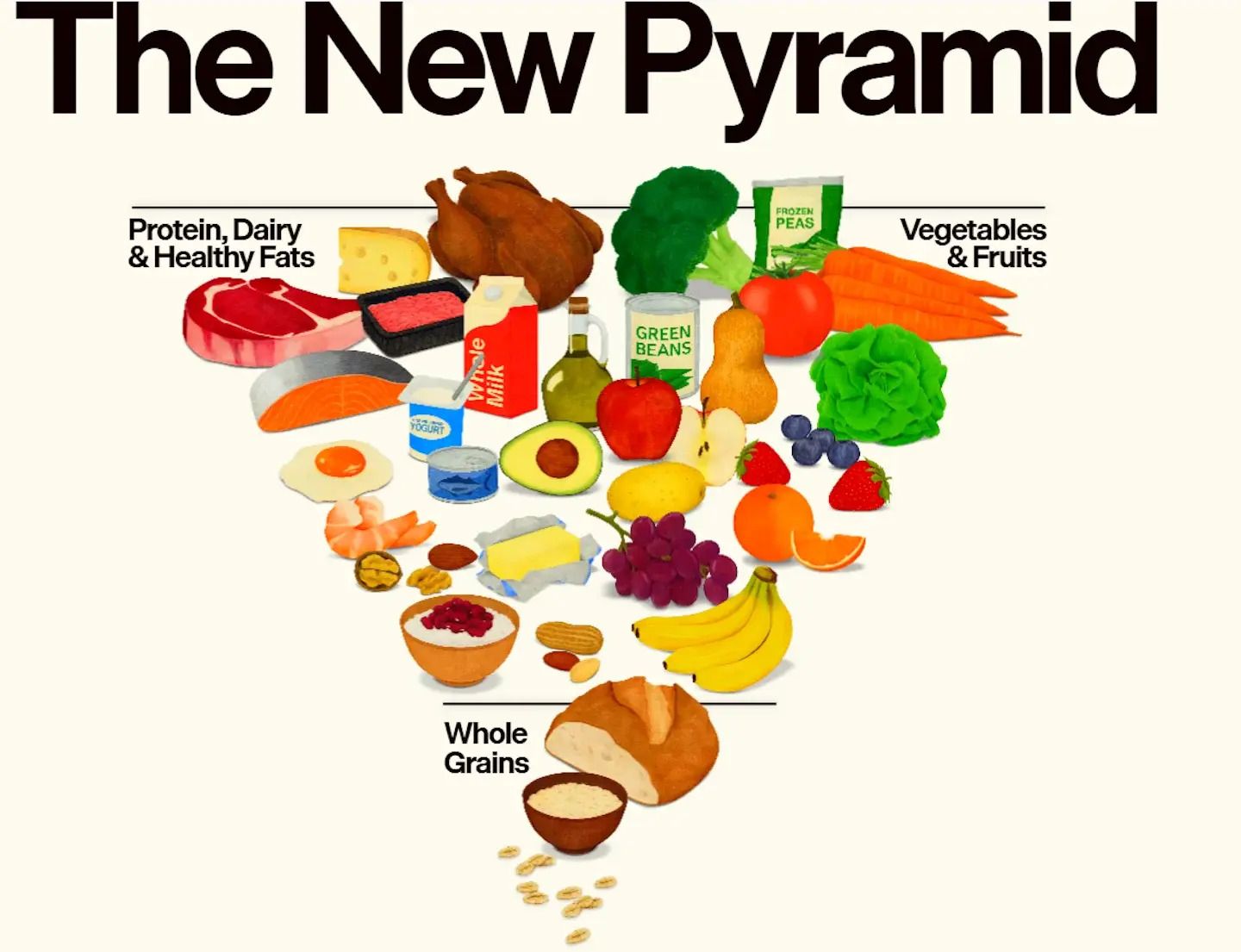
if you haven’t heard, this is what caused the recent protein obsession
The scoop: Protein has become the nutrient equivalent of a celebrity endorsement – suddenly, it's everywhere, from your morning coffee to your afternoon snack, and even your Pop-Tarts are trying to muscle in on the action.
The federal government recently raised its protein recommendations, setting a range that's 50% to 100% higher than before. Which sounds dramatic, until you realize most Americans were already eating enough protein to meet the new guidelines.
But here's where it gets interesting for us L-Plate retirees: while food companies are busy adding protein powder to everything from candy bars to bottled water (yes, really), the question isn't whether we need more protein – it's whether we're getting the right kind of protein, and whether we're letting the marketing hype crowd out other nutrients we desperately need.
Jessica Crandall, a registered dietitian at HCA HealthOne Rose in Colorado, puts it plainly: most women need 60–80 grams of protein daily, men need 80–100 grams. That's roughly what you'd get from a chicken breast at lunch, some Greek yogurt at breakfast, and a modest serving of fish or beans at dinner.
But here's the catch – and this is where retirement planning and meal planning start to look surprisingly similar: it's not just about hitting a number. It's about balance.
The same government that raised protein recommendations also warned us to avoid added sugars and ultra-processed foods. And yet, we're seeing protein-enhanced Snickers bars, protein Pop-Tarts, and protein pretzels filling supermarket shelves. Some of these products, as one dietitian bluntly noted, are "glorified candy bars" wearing a health halo.
Think of it this way: if someone told you to boost your retirement savings by 50%, you wouldn't do it by buying lottery tickets, even if they had "high-payout potential" stamped on the front. You'd look for quality investments that fit your overall financial picture.
Protein works the same way.
The real concern isn't that we'll eat too much protein – most of us can handle that just fine (unless you have kidney or liver issues). The worry is that by hyper-focusing on protein, we'll miss out on fiber-rich whole grains, vitamin-packed vegetables, and other nutrients that keep us healthy as we age.
Kelly Elliot, a dietitian at Saint Joseph Hospital, explains it perfectly: "Sometimes when we hyper-focus on one area, we miss out on those other nutrients."
And let's be honest about what's driving this protein craze: it's not a sudden epidemic of protein deficiency. It's marketing. The International Food Information Council found that 71% of Americans are now specifically trying to eat protein, up from 59% in just two years. Food companies have responded by slapping "high protein" labels on everything they can, creating what researchers call a "health halo" – making products seem healthier than they actually are.
Chipotle now promotes a "protein cup" designed to mimic the nutritional profile of a protein bar. Starbucks and Dunkin' have protein-enhanced coffee drinks. Even Thomas' bagels added protein messaging to packaging for products that already had protein in them.
William Hallman, a psychologist at Rutgers who studies how people think about food, sees what's happening: "Consumers think it's healthier for them, and that's the problem."
Here's what's actually helpful for us in the retirement years: yes, protein matters. It helps maintain muscle mass, supports our immune system, and keeps us feeling full longer. Getting enough protein at each meal – alongside fruits, vegetables, and whole grains – is genuinely important.
But the best sources aren't the processed products shouting about their protein content from the supermarket shelves. They're the foods we already know are good for us: eggs, dairy, seafood, nuts, seeds, beans, and yes, moderate amounts of lean meat if that's your thing.
The new guidelines also emphasized something many of us have heard before: limit saturated fat for heart health. Which means that protein-packed bacon cheeseburger or full-fat dairy heavy diet that some influencers are promoting? Not necessarily your best move, regardless of the protein content.
As Crandall says, "Protein is one piece of the puzzle."
And honestly, isn't that the lesson we keep learning in every aspect of retirement planning? Whether it's finances, fitness, or food – there's rarely one magic solution. It's about the whole picture, the daily choices, the sustainable habits that add up over time.
So by all means, make sure you're getting enough protein. But don't let the marketing noise convince you that more is always better, or that a protein-enhanced candy bar is somehow a health food just because it has 10 grams of protein alongside 15 grams of sugar.
Your body – and your retirement years – deserves better than that.
Actionable Takeaways for L-Plate Retirees:
Aim for quality, not just quantity: Include a good protein source at each meal (eggs, Greek yogurt, chicken, fish, beans, nuts) rather than relying on processed "protein-enhanced" snacks.
Check the fine print: Before buying protein-fortified products, look at the sugar, saturated fat, and ingredients list – many high-protein snacks are simply candy bars with added protein powder.
Diversify your protein sources: Mix animal proteins with plant-based options like beans, lentils, nuts, and seeds to get a broader range of nutrients and less saturated fat.
Don't crowd out other nutrients: Make sure your focus on protein doesn't push out fiber-rich whole grains, vegetables, and fruits that are equally vital for healthy aging.
Know your personal needs: Talk to your doctor or dietitian about your specific protein needs, especially if you have kidney disease, liver issues, or specific health conditions that might require adjustments.
Remember the bigger picture: Protein is important, but it's just one component of a healthy diet – balanced eating beats single-nutrient obsession every time.
Your Turn:
Has the protein marketing hype changed what you buy at the grocery store?
What's your go-to protein source that keeps you feeling satisfied and energized?
Have you noticed more "high-protein" labels on products that used to just be... regular snacks?
👉 Hit reply and share your thoughts – your answers could inspire fellow readers in future issues.
If this breakdown of AI health assistants helped you understand what these tools can (and can't) do for your health, consider shouting me a coffee shout on Ko-fi. Your contribution helps us cut through healthcare hype to deliver practical insights that keep you safe, informed, and in control of your wellbeing.
What do Carlyle, Blackstone, and KKR all have in common?

Leaders from Carlyle, Blackstone, and KKR are among the guest speakers in the Wharton Online + Wall Street Prep PE Certificate Program.
Over 8 weeks, you will:
Learn directly from Wharton faculty
Get hands-on training with insights from top firms
Earn a respected certificate upon successful completion
Save $300 with code SAVE300 at checkout. Program starts February 9.
The L-Plate Retiree community is just beginning, and we’re figuring this out together–no pretense, no judgment, just honest conversation about navigating this next chapter.
Subscribe now, or share it with a friend, to get weekly insights, practical tips, and the occasional laugh to help you prepare for or thrive in retirement. Unlike other newsletters that assume you already know everything, we keep it simple and human.
And if today’s lifestyle musings brightened your day, you can toss a coffee into our Ko-fi tip jar ☕. Think of it like leaving a tip for your favourite busker – only this busker writes about retirement.
Because retirement doesn’t come with a manual… but now it does come with this newsletter.
The L-Plate Retiree Team
(Disclaimer: While we love a good laugh, the information in this newsletter is for general informational and entertainment purposes only, and does not constitute financial, health, or any other professional advice. Always consult with a qualified professional before making any decisions about your retirement, finances, or health.)
Reply