- L-Plate Retiree
- Posts
- The Retirement Freedom Paradox: Why Rules Create More Liberty Than Breaking Them
The Retirement Freedom Paradox: Why Rules Create More Liberty Than Breaking Them
We spend our lives chasing freedom from constraints. But what if the boundaries we resist are actually what set us free?
In partnership with


because retirement doesn’t come with a manual

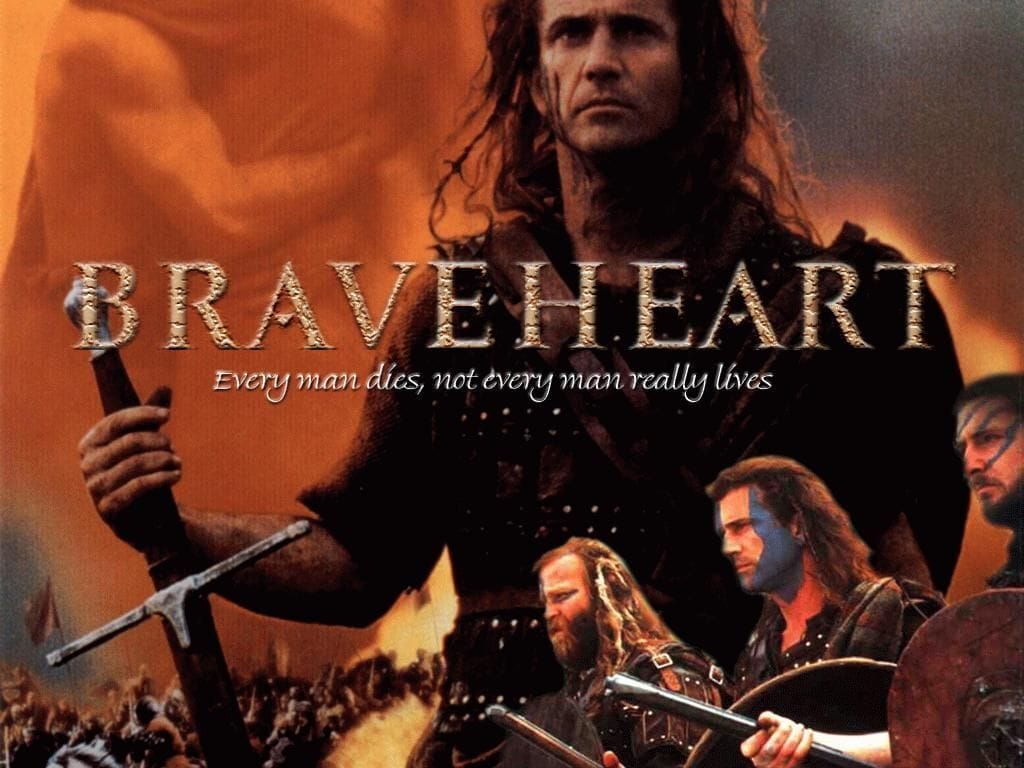
the ending scene of braveheart came to mind when i think about “freedom“
I heard something recently that stuck with me: "The greatest threat to freedom is freedom."
It sounded like one of those clever contradictions designed to make you nod thoughtfully without actually meaning anything. But the more I sat with it, the more uncomfortable – and accurate – it felt.
We spend our entire working lives dreaming about freedom. Freedom from alarm clocks. Freedom from bosses. Freedom from meetings that could have been emails. And when retirement finally arrives, we think we've found it: the ability to do whatever we want, whenever we want.
No rules. No boundaries. No limits.
That's what freedom means, right? According to Merriam-Webster, freedom is defined as the quality or state of being free, encompassing liberty, independence, and the absence of necessity, coercion, or constraint in choice or action. It includes the ability to move or act freely, release from confinement or unpleasantness.
Except here's what nobody tells you about that kind of freedom: it doesn't actually work.
Think about it. If "freedom" means spending whatever you want, whenever you want, you'll quickly discover the freedom to watch your savings evaporate and your retirement dreams collapse. That's not freedom – that's just a different kind of trap.
If freedom means eating whatever you want, whenever you want, you'll eventually find yourself in a doctor's office learning words like "pre-diabetic" and "cholesterol management." The freedom to ignore your health becomes the prison of poor health.
If freedom means doing whatever feels good in the moment, skipping the gym, avoiding the hard conversations, postponing the uncomfortable decisions – well, that freedom will lead you down to an end we are know.
So what's the alternative? Because the answer isn't to give up on freedom. It's to understand what freedom actually requires.
Here's the uncomfortable truth: real freedom comes because of rules, boundaries, and limits. Not in spite of them. Because of them.
The freedom to spend confidently in retirement exists only because you submitted to spending discipline and investment rules in your earlier years. The freedom to move easily and feel energetic at 70 exists only because you submitted to boundaries around diet and limits on sedentary behavior. The freedom to enjoy your retirement without constant money anxiety exists only because you accepted the constraint of living below your means.
Freedom comes from submission.
My bathroom scale doesn't lie. Neither does my bank statement. Neither does the mirror or the doctor's consultation room. These sources of truth create freedom precisely because they establish boundaries. They tell you what's real, what's working, what isn't. And when you accept those boundaries rather than resist them? That's when the paradox kicks in.
There's an old saying that captures this perfectly: "When you do what you have to do when you have to do it, you can do what you want to do when you want to do it."
Read that again slowly.
It's not catchy. It's not sexy. It doesn't fit on a motivational poster. But it's devastatingly accurate.
The person who exercises when they don't feel like it earns the freedom to hike without pain, travel without limitation, play with grandchildren without exhaustion. The person who tracks their spending when it's tedious earns the freedom to splurge occasionally without guilt or consequence. The discipline you resist is precisely what creates the freedom you desire.
Retirement amplifies this paradox. Without the external structure of work – the deadlines, the schedules, the expectations – many people think they've found ultimate freedom. No one telling them what to do anymore.
But what often happens instead? They drift. The freedom to do anything becomes the paralysis of doing nothing in particular. Days blur together. Health declines from lack of structure. Spending increases from lack of discipline. The very freedom they sought becomes a different kind of cage.
The retirees who thrive? They're the ones who create their own rules, boundaries, and limits. Not because someone forces them to, but because they understand that freedom requires a framework. They set spending guardrails not to restrict themselves but to protect their future freedom. They establish exercise routines not because they have to but because they want the freedom that fitness provides. They create structure in their days not because they miss work but because purposeful freedom is the only kind worth having.
Here's what it comes down to: you can resist rules, boundaries, and limits in the name of freedom. Many people do. They eat what they want, spend what they want, do what they want. And then, eventually, they discover they're not free at all. They're constrained by debt, limited by poor health, trapped by habits they can no longer control.
Or you can accept – even embrace – certain rules, boundaries, and limits. Not as punishment. Not as restriction. But as the very foundation of the freedom you actually want.
The truth, whether from your bank statement or your bathroom scale or your doctor, isn't there to limit you. It's there to set you free.
The greatest threat to freedom is freedom.
But the greatest source of freedom? That's discipline, boundaries, and the humility to accept what's true.
Funny how that works.
Your Turn:
What rules or boundaries have you resisted that might actually be creating more freedom than you realize?
Where in your retirement life are you confusing the absence of limits with actual freedom?
If freedom requires discipline, what's one area where accepting more structure might paradoxically give you more of what you actually want?
👉 Hit reply and share your thoughts – I’d love to hear what’s resonating with you.
☕ f this musing challenged how you think about freedom in retirement – and reminded you that sometimes the constraints we resist are exactly what we need – consider buying us a coffee on Ko-fi. Your support helps us keep exploring these uncomfortable truths that make retirement actually work.
Stop Drowning In AI Information Overload

Your inbox is flooded with newsletters. Your feed is chaos. Somewhere in that noise are the insights that could transform your work—but who has time to find them?
The Deep View solves this. We read everything, analyze what matters, and deliver only the intelligence you need. No duplicate stories, no filler content, no wasted time. Just the essential AI developments that impact your industry, explained clearly and concisely.
Replace hours of scattered reading with five focused minutes. While others scramble to keep up, you'll stay ahead of developments that matter. 600,000+ professionals at top companies have already made this switch.

The Right Fit – Tailoring Your Portfolio

no two person’s body are the same, so is your risk appetite and therefore portfolio
We've covered the what (Asset Allocation) and the how (Portfolio Construction). Now, let's focus on the who – you, the investor. A portfolio must be tailored to your specific needs, and it's not a "set it and forget it" project; it requires continuous Monitoring and Maintenance.
Tailoring the Implementation:
The Passive L-Plate Retiree: For most of us, the best strategy is to favor Strategic Asset Allocation (SAA) implemented via low-cost, globally diversified ETFs and index funds. The focus is on minimizing costs and maintaining the long-term allocation.
The Active Investor: These investors might use more complex techniques like Factor-Based Investing or Tactical Asset Allocation (TAA). This requires more time, research, and a higher risk tolerance.
Global Variations in Implementation: In regions with high inflation or unstable currencies, your portfolio construction must prioritize real asset protection and currency hedging. In regions with high taxes, tax-efficient structures (which we'll cover in a later lesson) are paramount. Your Personal Financial Assessment should guide these choices.
Monitoring and Maintenance:
A portfolio is a living thing that needs regular check-ups.
Performance Attribution: Don't just look at the final number. Understand why your portfolio performed as it did. Was it due to your asset allocation, or did you just get lucky with a few stocks?
Risk Monitoring: Continuously assess your portfolio's exposure to various risks and ensure it remains within your comfort zone.
Rebalancing: This is the mechanical process of bringing your portfolio back to its target allocation (SAA). If stocks have performed well, they now represent a larger percentage of your portfolio, increasing your risk. Rebalancing means selling some stocks and buying bonds to get back to your original, desired risk level. This is the ultimate discipline against market emotions.
Technology, like robo-advisors and personal finance software, has made professional-grade monitoring accessible to L-Plate Retirees worldwide. Use these tools to stay informed and disciplined.
L-Plate Takeaways
Passive is Best for Most Retirees: Stick to SAA with low-cost, diversified funds to minimize costs and complexity.
Understand Performance: Use performance attribution to know why your portfolio is performing the way it is.
Rebalancing is Discipline: It's the mechanical process that forces you to "buy low and sell high" and keeps your risk level constant.
Technology is Your Friend: Use modern tools to help you monitor and maintain your portfolio with discipline.
Global Context Matters: Adapt your implementation to local tax laws and market conditions, guided by your Personal Financial Assessment.
Will Your Retirement Income Last?

A successful retirement can depend on having a clear plan. Fisher Investments’ The Definitive Guide to Retirement Income can help you calculate your future costs and structure your portfolio to meet your needs. Get the insights you need to help build a durable income strategy for the long term.
The L-Plate Retiree community is just beginning, and we’re figuring this out together – no pretense, no judgment, just honest conversation about navigating this next chapter.
Subscribe now, or share it with a friend, to get weekly insights, practical tips, and the occasional laugh to help you prepare for or thrive in retirement. Unlike other newsletters that assume you already know everything, we keep it simple and human.
And if today’s musings brightened your day, you can toss a coffee into our Ko-fi tip jar ☕. Think of it like leaving a tip for your favourite busker – only this busker writes about retirement.
Because retirement doesn’t come with a manual… but now it does come with this newsletter.
The L-Plate Retiree Team
(Disclaimer: While we love a good laugh, the information in this newsletter is for general informational and entertainment purposes only, and does not constitute financial, health, or any other professional advice. Always consult with a qualified professional before making any decisions about your retirement, finances, or health.)
Reply