- L-Plate Retiree
- Posts
- What Happens to Your Brain During Festive Meals: The Neuroscience of Food Coma and Holiday Eating
What Happens to Your Brain During Festive Meals: The Neuroscience of Food Coma and Holiday Eating
Why Christmas/ New Year dinner triggers drowsiness, nostalgia, and overeating – understanding tryptophan, oxytocin, and the brain's reward circuits
In partnership with


because retirement doesn’t come with a manual
Granted, this article is a week late - it’s focused on Christmas feasting. But hey, for some of us, the feasting continues to New Year right? For me, what the article described is the Chinese Lunar New Year too!
CS

Markets drift lower for third straight session as year-end approaches
The quick scan: Stocks slipped modestly Tuesday as investors assessed Fed meeting minutes showing division over rate cut decisions, with tech continuing to lag and precious metals rebounding sharply from Monday's brutal selloff. Thin holiday trading and a light data calendar kept markets range-bound near recent record highs as 2025 winds toward its final bell.
S&P 500: -0.14% to 6,896.24 – notched a third consecutive decline as the broad index pulled back from last week's records, though it remains up more than 17% for a stellar 2025 with regular trading hours on New Year's Eve before markets close
Dow Jones: -0.20% to 48,367.06 – the blue-chip index extended its losing streak to three sessions with UnitedHealth Group cementing its position as the Dow's worst performer this year with a 35% plunge, dragging the average lower
NASDAQ: -0.24% to 23,419.08 – tech-heavy index led declines for a third day as AI valuations remained under scrutiny, though the NASDAQ still holds onto impressive 21% gains for 2025 despite the recent pullback from all-time highs
What's driving it: Fed meeting minutes revealed sharp divisions among policymakers over December's rate cut decision, with "a few participants" arguing the cut wasn't justified given stable labor markets. The minutes suggested caution ahead, with 80% of bets on the Fed standing pat in January. Silver staged a dramatic 7% rebound after Monday's brutal 6% plunge from above $80, while gold futures also recovered 1.3%. With only one trading day left in 2025, investors are taking profits and repositioning rather than making aggressive bets.
Bottom line: Three down days don't undo a stellar year – S&P 500 up 17%, NASDAQ up 21%, Dow up 14%. For L-Plate Retirees, this quiet drift lower as 2025 ends mirrors today's theme about festive overindulgence: sometimes your body (or portfolio) just needs a breather after consuming too much too quickly. The food coma eventually passes. So does year-end profit-taking. What matters is how you position for what comes next.
Start investing right from your phone

Jumping into the stock market might seem intimidating with all its ups and downs, but it’s actually easier than you think. Today’s online brokerages make it simple to buy and trade stocks, ETFs, and options right from your phone or laptop. Many even connect you with experts who can guide you along the way, so you don’t have to figure it all out alone. Get started by opening an account from Money’s list of the Best Online Stock Brokers and start investing with confidence today.

Your Brain on Christmas/ New Year Dinner
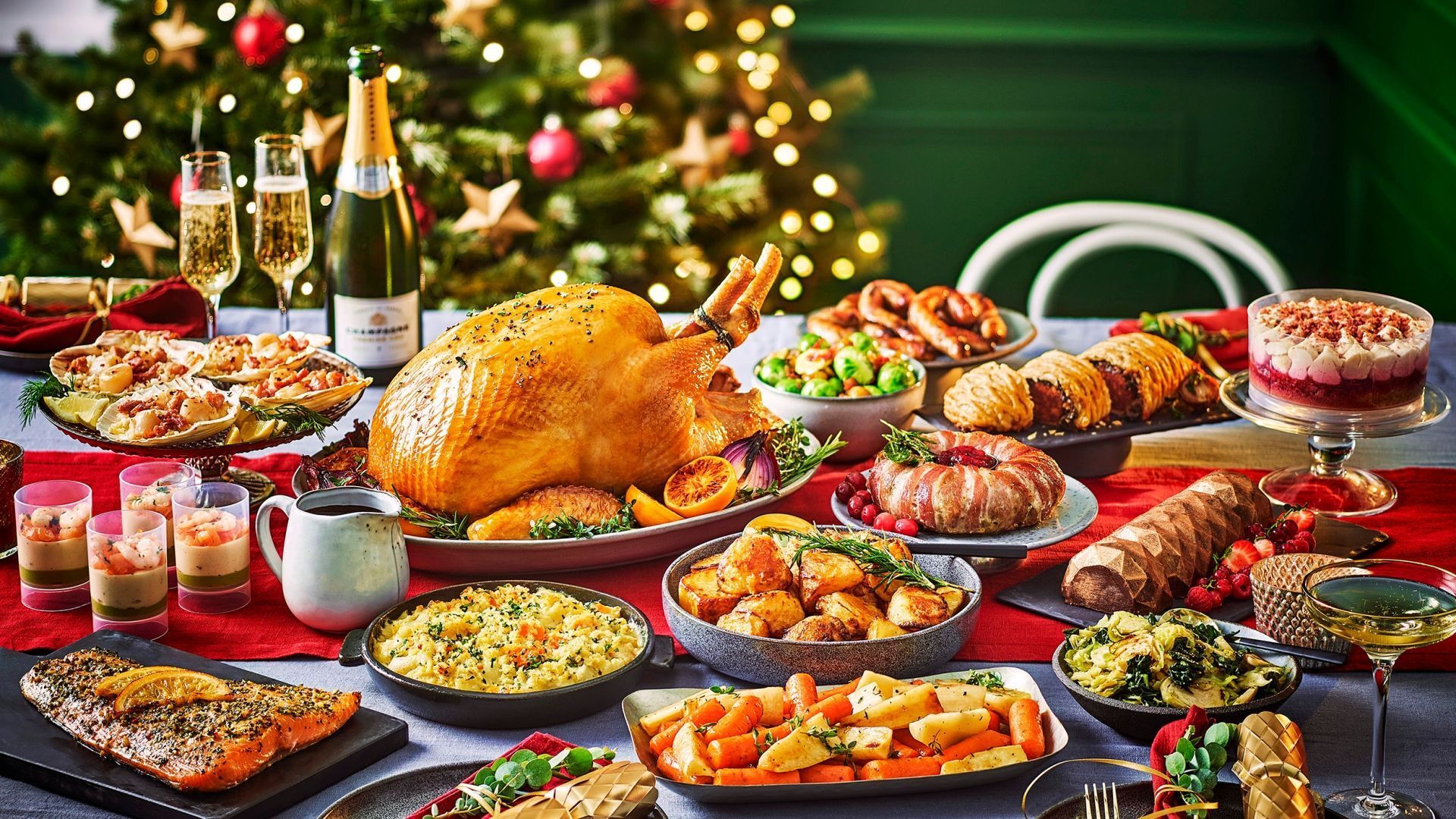
christmas feast with a turkey
The scoop: You've finished Christmas dinner. The turkey, roast potatoes, stuffing, and three helpings of dessert have done their work. Now you're sinking into the couch, eyelids heavy, wondering why a simple meal transformed you into a sleepy blob.
Welcome to the food coma – that post-feast lethargy that feels like your brain has been wrapped in cotton wool.
For years, the explanation seemed straightforward: blood rushes to your gut for digestion, depriving your brain of oxygen. Except it's wrong. Studies show blood flow to the brain actually increases after meals. Something else is happening.
The real culprit? A complex interaction between what you ate, how much you ate, and your brain's reward and sleep systems.
The tryptophan pathway
Christmas meals deliver a perfect storm of carbohydrates, fats, and proteins. Turkey and other meats contain tryptophan, an amino acid your brain uses to produce serotonin. Serotonin doesn't directly make you sleep, but it shifts your body toward a calmer, more relaxed state.
Carbohydrates amplify this effect. When you eat carbs alongside protein, your body releases insulin, which helps other amino acids enter muscle cells. This leaves tryptophan with less competition to cross the blood-brain barrier. More tryptophan reaches the brain. More serotonin gets produced. More calm, more relaxation, more likelihood you'll doze off mid-conversation.
Fat compounds the problem. High-fat meals slow digestion, keeping you in that sluggish state longer. The combination of high carbs, high fat, and high protein – basically every Christmas feast – creates ideal conditions for profound lethargy.
Size matters more than content
But how much you eat might matter more than what. Researchers compared those who ate until "comfortably full" versus those who ate until they "could not eat another bite." The maximally stuffed group reported significantly more fatigue. Massive meals tax your entire body. Processing enormous quantities demands enormous energy.
There's also the blood sugar roller coaster. Big meals spike blood glucose briefly. But what goes up must crash down. That post-meal energy dip hits hard.
Why Christmas food tastes better
Your brain doesn't just process food passively. It predicts, anticipates, and enhances flavor based on context and emotion.
Most flavor – perhaps 70-80% – comes from smell, not taste. Your tongue detects sweet, salty, sour, bitter, umami. But "peppermint," "gingerbread," "roast turkey"? That's your olfactory system as scent molecules travel from the back of your mouth to smell centers in the brain.
During holidays, your brain expects celebration. That anticipation makes reward circuits more sensitive. The look of a mince pie triggers expectations of warm, spiced flavors before you even bite.
Tradition reinforces this through social learning. Eating with others increases oxytocin – the "cuddle hormone" that supports social bonding. Christmas dinner doesn't just taste good. It tastes like family, like childhood, like belonging.
Winter physiology adds another layer. Evidence suggests appetite shifts with seasons. In colder months, your body responds to lower temperatures and reduced daylight by adjusting hunger hormones. Biology primes you to crave energy-rich foods when the world turns cold.
The inflammation response
Overeating activates a pathway linking the hypothalamus to the immune system, triggering low-grade inflammation. This may explain why you feel genuinely unwell after eating too much – not just full, but physically off.
One extravagant Christmas meal won't cause lasting harm. But when overeating becomes routine, chronic inflammation can contribute to longer-term health issues.
The scarcity mindset trap
Part of the overeating problem stems from how your brain processes "limited time" foods. Mince pies won't be available forever, your brain insists. Better eat them all now.
Except this scarcity mindset is largely manufactured. Most festive foods remain available for months. But the "limited edition" framing hooks into psychological triggers that override rational consumption.
Similarly, telling yourself "I shouldn't eat X" often backfires. When you finally eat X, you overdo it, feel guilty, then eat more to manage the guilt. The restriction-binge cycle feeds itself.
Working with your brain
Understanding the mechanisms doesn't require abandoning festive eating. It means working with your brain's design.
Eating slowly helps. Chewing thoroughly gives your brain time to register fullness before you've inhaled three servings. Smaller portions of favorites beat large portions of everything.
Adding rather than subtracting works better psychologically. Load your plate with vegetables alongside the turkey. The added fiber and nutrients don't require sacrificing enjoyment.
Focusing on connection rather than food alone helps too. Christmas isn't just about eating. It's about people, tradition, belonging.
Your brain on Christmas dinner is chemistry, memory, emotion, and seasonal biology. Tryptophan nudging serotonin. Oxytocin reinforcing bonds. Reward circuits lighting up. Blood sugar spiking and crashing.
All of this is normal. Expected. Part of how brains work when presented with abundance and celebration.
The food coma isn't a flaw. It's a feature – one you can work with rather than fight.
Actionable takeaways for L-Plate Retirees:
Eat slowly and chew thoroughly. Your brain needs 15-20 minutes to register fullness. Eating quickly overrides this signal, leading to overconsumption before your brain catches up. Slower eating improves digestion and lets you actually taste what you're enjoying.
Choose "comfortably full" over "cannot eat another bite". Maximal eating causes significantly more fatigue and lethargy. Stop when satisfied, not stuffed. Your body processes moderate meals far more efficiently than massive ones.
Load your plate with vegetables first. Adding fiber, vitamins, and volume through vegetables helps you feel satisfied with smaller portions of richer foods. Addition beats restriction psychologically – you're not depriving yourself, you're balancing the meal.
Prioritize your actual favorites. Before filling your plate, identify the 2-3 dishes you'd genuinely regret missing. Focus on those. Everything else can wait. This prevents the "eat everything because it's there" trap that leads to regret and discomfort.
Recognize manufactured scarcity. Festive foods aren't as limited as marketing suggests. Most remain available for months. The "better eat it all now" urgency is psychological, not real. Knowing this helps you make calmer decisions.
Focus on connection, not just consumption. Oxytocin from social bonding provides genuine pleasure. When food becomes the only source of festive joy, overconsumption follows. Conversation, games, and shared experiences matter more than third helpings.
Your Turn:
Looking back at recent festive meals, were you eating because you were genuinely hungry and enjoying the food, or because it was there and felt wasteful not to finish?
What helps you recognize the difference between "comfortably full" and "uncomfortably stuffed" – and do you usually stop at the former?
If you could redesign Christmas dinner knowing what your brain does with tryptophan, blood sugar, and portion size, what would you change?
👉 Hit reply and share your thoughts – your answers could inspire fellow readers in future issues.
If this neuroscience approach to festive eating resonates with you, consider shouting me a coffee shout on Ko-fi. Your contribution helps us keep exploring the brain science behind everyday decisions – understanding why we do what we do, so we can make better choices without requiring superhuman willpower.
Invest 360 (FREE event!)
As 2026 approaches, the question quietly sitting in the back of many portfolios is a simple one – what now?
Markets have moved fast. Strategies that worked a few years ago feel less certain. And for many pre-retirees and retirees, the margin for error matters more than ever.
The investors who tend to do best in these transitions aren’t the ones chasing the loudest headlines – they’re the ones stepping back and asking for a complete picture.
That’s exactly what Invest 360 is designed to deliver.
Rather than focusing on a single asset class or a single strategy, this one-day live online event brings together eight experienced investors to share how they’re positioning across markets heading into 2026 – what they’re leaning into, what they’re cautious on, and how they think about risk when capital preservation matters just as much as growth.
If 2025 was the year you sharpened your investing skills, Invest 360 is about turning that learning into clear positioning and execution.
Why this event is different
Most investing events zoom in on one corner of the market.
Invest 360 deliberately zooms out.
You’ll hear perspectives across all major asset classes, helping you understand how the pieces fit together – not just what’s exciting in isolation.
Just as importantly, this isn’t theory-heavy content. Several speakers are opening the hood on their own portfolios, sharing:
What worked in 2025
What didn’t – and why
The lessons they’re carrying into 2026
What do Carlyle, Blackstone, and KKR all have in common?

Leaders from Carlyle, Blackstone, and KKR are among the guest speakers in the Wharton Online + Wall Street Prep PE Certificate Program.
Over 8 weeks, you will:
Learn directly from Wharton faculty
Get hands-on training with insights from top firms
Earn a respected certificate upon successful completion
Save $300 with code SAVE300 at checkout + $200 with early enrollment by January 12.
Program starts February 9.
The L-Plate Retiree community is just beginning, and we’re figuring this out together–no pretense, no judgment, just honest conversation about navigating this next chapter.
Subscribe now, or share it with a friend, to get weekly insights, practical tips, and the occasional laugh to help you prepare for or thrive in retirement. Unlike other newsletters that assume you already know everything, we keep it simple and human.
And if today’s lifestyle musings brightened your day, you can toss a coffee into our Ko-fi tip jar ☕. Think of it like leaving a tip for your favourite busker – only this busker writes about retirement.
Because retirement doesn’t come with a manual… but now it does come with this newsletter.
The L-Plate Retiree Team
(Disclaimer: While we love a good laugh, the information in this newsletter is for general informational and entertainment purposes only, and does not constitute financial, health, or any other professional advice. Always consult with a qualified professional before making any decisions about your retirement, finances, or health.)
Reply