- L-Plate Retiree
- Posts
- Why Retirement Is When Learning Matters Most – The Life Skills School Never Taught
Why Retirement Is When Learning Matters Most – The Life Skills School Never Taught
From personal finance to fitness science, the most important subjects arrive precisely when formal education ends
In partnership with


because retirement doesn’t come with a manual


“me! me! me!” eager young minds
I had a younger friend who studied IT in university. During the industrial attachment – a requirement in his course – he was asked to fix some computer hardware issue in the office, to which he replied to the Boss naively that "学校没有教", i.e. "the school did not teach".
This became my running joke with the Wife – ok, "joke" from my point of view; she mostly just rolls her eyes. For example, when I did not do something she tasked correctly, like retrieving the clothes from the dryer, I will reply explain to her that "学校没有教" – an easy excuse for simple tasks.
But honestly, there are many things in life that we don't learn in school. And important things at that! Like my friend who did "IT", and the Boss reasonably expected that he would know all things computer – adulting, parenting, personal finance, investing, etc are all important topics that are not taught in school but we are somehow expected to know.
The irony is that retirement – the phase of life when society assumes we've finally figured everything out – might actually be when we need to learn the most.
Think about the timing. Schools teach trigonometry to teenagers who won't use it for decades, if ever. But personal finance? Understanding compound interest, tax-efficient investing, the difference between nominal and real returns? That gets relegated to maybe one semester of economics, if you're lucky.
Health literacy – knowing what to eat, how to reduce your visceral fat, or control your blood sugar – these become critical in your 50s and 60s when health decisions carry real consequences.
Fitness knowledge follows the same pattern. Young bodies forgive almost any abuse. But understanding how to maintain muscle mass while protecting aging joints, proper recovery protocols, why balance work prevents falls – these lessons become essential precisely when formal education is decades in the rearview mirror.
And investing? The mechanics of retirement accounts, asset allocation, sequence-of-returns risk, drawdown strategies – these topics become urgent around age 50. By then, most people haven't sat in a classroom for 25 years.
So here we are, in our pre-retirement or retirement years, facing the most consequential financial, health, and lifestyle decisions of our lives, armed primarily with whatever we've managed to teach ourselves along the way.
There's a dangerous assumption embedded in the word "retirement" – that learning stops when earning stops. But retirement might be the worst possible time to stop learning, precisely because the margin for error narrows considerably. A 30-year-old who makes a poor investment decision has decades to recover. A 65-year-old who mismanages a portfolio withdrawal strategy might deplete savings with insufficient runway to rebuild. The stakes are higher, not lower.
Similarly, a younger person who neglects fitness might notice some weight gain. An older person who stops moving faces rapid muscle loss, bone density decline, balance deterioration – changes that cascade into serious quality-of-life impacts within months, not years. The retirement phase demands continuous learning because the landscape keeps shifting. Tax laws change. Medical science advances. Investment vehicles evolve. Fitness research refines best practices. Standing still means falling behind, and falling behind in retirement has steeper consequences.
The good news: learning in retirement doesn't mean returning to formal classrooms or pursuing credentials nobody cares about anymore. It means staying curious about topics that directly impact quality of life. Reading that article about seed oils and omega-6 ratios, then actually changing which cooking oil sits on the shelf. Following the Copenhagen study on sports and longevity, then joining a tennis league. Understanding Jack Bogle's philosophy on low-fee investing, then reviewing whether current holdings align with that wisdom.
It means being willing to admit "学校没有教" without using that as an excuse to remain ignorant. Yes, schools failed to teach personal finance adequately. Yes, fitness advice from the 1980s has been superseded by better evidence. But none of that prevents learning these things now, when they matter most.
It means building systems for continuous knowledge acquisition that don't feel like homework. This newsletter exists partly for that reason – a few minutes several times per week staying current on retirement-relevant topics without the burden of formal study. Podcasts during morning walks. Audio books during errands. YouTube videos from credible sources while on the treadmill. These tiny knowledge inputs compound over years the same way investments do.
For most L-Plate Retirees, the curriculum that matters most clusters around a few core areas. Personal finance, Investing, Health and Fitness. None of these subjects appeared in school curricula. All of them matter more now than they did at 25.
The phrase that started as my excuse to the Wife has evolved – not a justification for ignorance, but an acknowledgment that the most important lessons often arrive outside formal education. Schools didn't teach personal finance, so we learn it now, when portfolio decisions have real consequences. Schools didn't teach health literacy, so we develop it now, when medical choices determine quality of life. Schools didn't teach practical fitness programming, so we figure it out now, when maintaining strength and mobility matter most.
Retirement isn't the finish line where learning stops. It's the phase where learning becomes most essential, most practical, most immediately applicable to daily life. The difference is that now, nobody's assigning the homework or administering the tests. The motivation comes from recognizing that these subjects directly impact how well the next 20 or 30 years unfold.
So yes, 学校没有教. School didn't teach these things. But that's never been a valid reason to remain ignorant – and it certainly isn't valid now, when the stakes are highest and the resources for self-education are more accessible than ever. The real question isn't whether school prepared us adequately. It's whether we're willing to keep learning anyway.
Your Turn:
What's one topic you wish you'd learned decades ago that you're only now realizing matters deeply – and what's stopping you from learning it right now?
Looking at the past year, what new knowledge about finance, health, or fitness actually changed your behavior rather than just sitting as interesting information you never acted on?
If you could design a one-semester "Life Skills 401" course for people entering retirement, what three subjects would be mandatory – and which of those three are you still learning yourself?
👉 Hit reply and share your thoughts – I’d love to hear what’s resonating with you.
☕ Your support keeps L-Plate Retiree exploring the messy, honest territory between who we were and who we're becoming. If these weekend reflections resonate with your own experience of rewriting old stories, you can shout us a coffee on Ko-fi.
One Simple Scoop For Better Health

The best healthy habits aren't complicated. AG1 Next Gen helps support gut health and fill common nutrient gaps with one daily scoop. It's one easy routine that fits into real life and keeps your health on track all day long. Start your mornings with AG1 and keep momentum on your side.

Building a Fortress – Risk Management & Efficiency
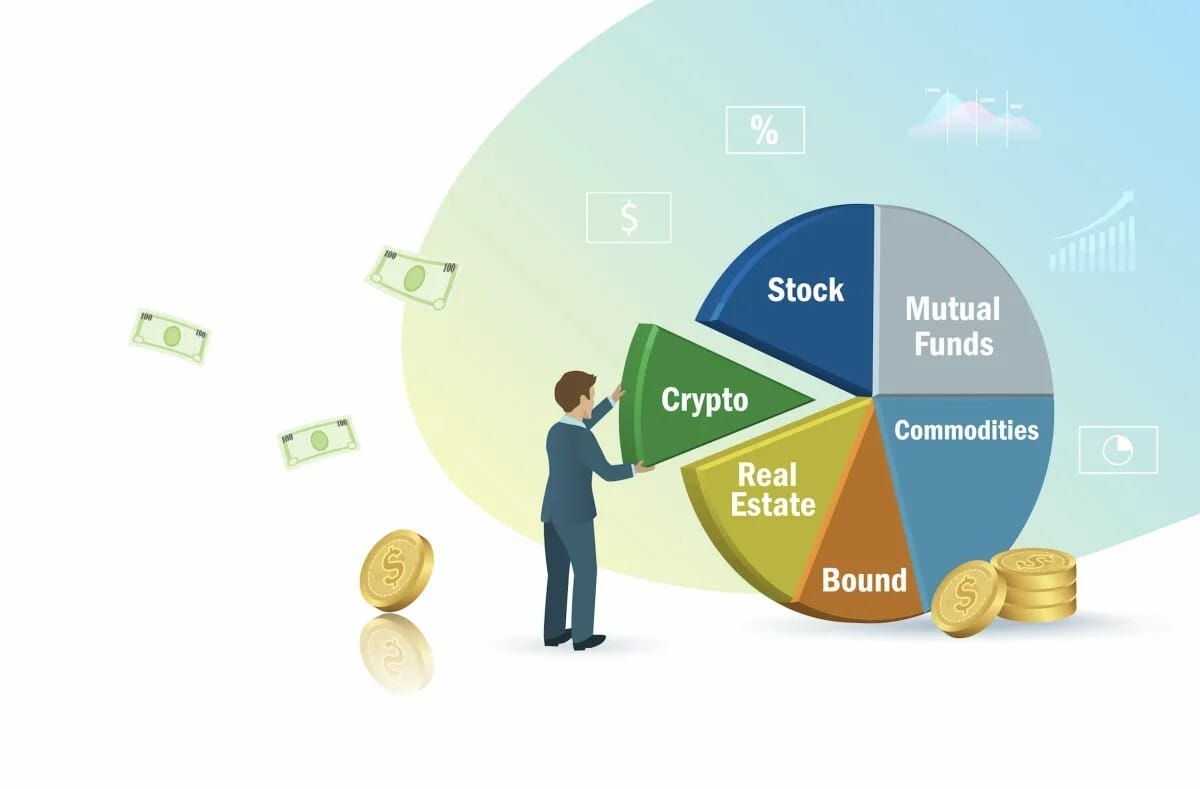
portfolio building is all about diversification
A good portfolio isn't just about chasing returns; it's about building a fortress that can withstand market storms. This is where Comprehensive Risk Management and Portfolio Efficiency Optimization come in.
We've talked about Market Risk (the risk of the whole market going down) and how diversification helps. But there are other risks to manage:
Credit Risk: The risk that a bond issuer (a company or government) defaults on its debt. You manage this by diversifying across many issuers and checking credit ratings.
Liquidity Risk: The risk that you can't sell an asset quickly without taking a big price cut. This is a bigger concern in emerging markets or with assets like direct real estate. You manage this by keeping enough cash and highly liquid assets.
Operational Risk: The risk of something going wrong with the systems or people managing your money. You manage this by choosing reputable platforms and managers.
Regional Considerations are vital here. In developed markets, the focus is often on market and credit risk. In emerging markets, liquidity risk and political risk (the risk of government instability) are much more pronounced and must be actively managed.
Now, let's talk about efficiency. How do you know if your fortress is the best it can be? You measure it!
Sharpe Ratio: This is the most common way to measure risk-adjusted return. It tells you how much extra return you are getting for each unit of risk (volatility) you take on. A higher Sharpe Ratio is better.
Sortino Ratio: This is similar to the Sharpe Ratio, but it only penalizes you for downside volatility (the bad kind). For L-Plate Retirees focused on capital preservation, this can be a more relevant measure.
By continuously monitoring these ratios, you can ensure your portfolio is operating at peak efficiency, getting the most bang for your buck while keeping your risk exposure in line with your risk tolerance.
L-Plate Takeaways
Risk is More Than Just Market Swings: Manage credit risk (default), liquidity risk (can't sell quickly), and operational risk (system failure).
Regional Risks Differ: Be aware of higher liquidity and political risk in emerging markets.
Measure Efficiency with the Sharpe Ratio: This tells you if you're getting enough return for the risk you're taking. Higher is better.
Liquidity is Key for Retirees: Ensure you have enough cash and highly liquid assets to cover your short-term needs, managing your Personal Financial Assessment needs.
Continuous Monitoring: A portfolio is a living thing. Regularly check your risk exposure and efficiency metrics.
What do Carlyle, Blackstone, and KKR all have in common?

Leaders from Carlyle, Blackstone, and KKR are among the guest speakers in the Wharton Online + Wall Street Prep PE Certificate Program.
Over 8 weeks, you will:
Learn directly from Wharton faculty
Get hands-on training with insights from top firms
Earn a respected certificate upon successful completion
Save $300 with code SAVE300 at checkout. Program starts February 9.
The L-Plate Retiree community is just beginning, and we’re figuring this out together – no pretense, no judgment, just honest conversation about navigating this next chapter.
Subscribe now, or share it with a friend, to get weekly insights, practical tips, and the occasional laugh to help you prepare for or thrive in retirement. Unlike other newsletters that assume you already know everything, we keep it simple and human.
And if today’s musings brightened your day, you can toss a coffee into our Ko-fi tip jar ☕. Think of it like leaving a tip for your favourite busker – only this busker writes about retirement.
Because retirement doesn’t come with a manual… but now it does come with this newsletter.
The L-Plate Retiree Team
(Disclaimer: While we love a good laugh, the information in this newsletter is for general informational and entertainment purposes only, and does not constitute financial, health, or any other professional advice. Always consult with a qualified professional before making any decisions about your retirement, finances, or health.)
Reply